TPO
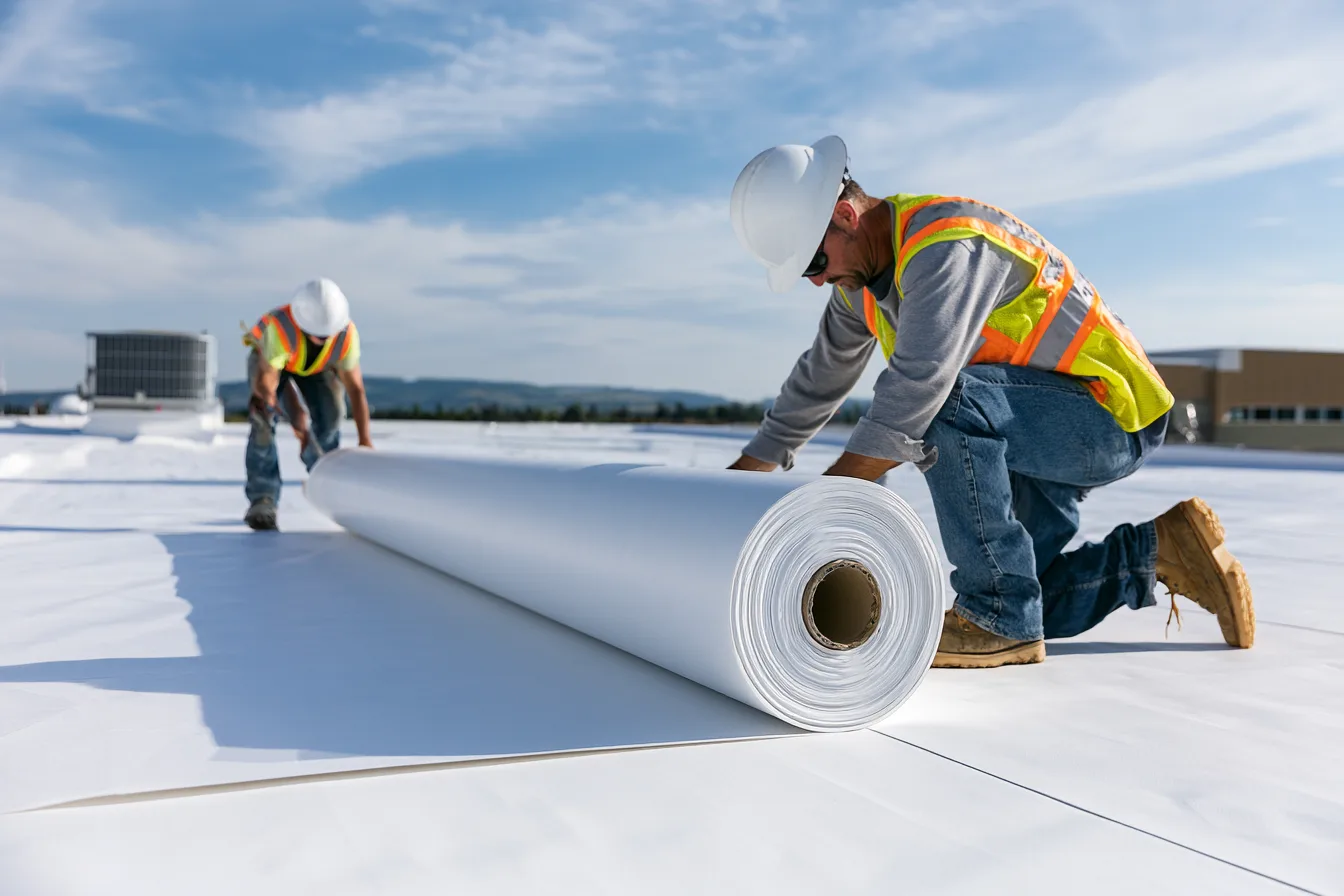
A thermoplastic membrane with heat-welded seams. Its attachment, insulation and flashing details form part of the specified assembly. See TPO roofing.
Arlington, TX
Keep the roofing decision connected to the building you operate. Our commercial roofers can assess the existing assembly and help you compare repair, restoration and replacement.
If water keeps reaching the same ceiling tile, replacing that tile won’t tell you whether the roof needs a patch or a larger job. Our roofers trace the entry point and check the surrounding membrane, seams and roof details. A failed flashing at one curb calls for a different conversation from moisture spread through the insulation.
A localized repair may address a failed detail. A compatible coating system may extend service on a suitable roof after necessary repairs. When the existing assembly is too deteriorated, wet or otherwise unsuitable to retain, replacement becomes a different investment.
The extent of wet material matters to the work and the budget. Before proposing to cover an existing roof, the roofer needs to establish what is dry and sound enough to stay and which areas need opening or removal. That finding can change the scope even when the surface looks serviceable.
The system should fit the deck, drainage, equipment and building use. These are common categories you may encounter; the specific product and assembly matter more than a broad label.
A thermoplastic membrane with heat-welded seams. Its attachment, insulation and flashing details form part of the specified assembly. See TPO roofing.
A synthetic-rubber membrane. Seams and accessories use compatible joining methods, and condition at laps and penetrations deserves attention.
A welded thermoplastic system that may be considered where chemical exposure is relevant. Verify resistance to the actual exhaust or contaminant with the manufacturer.
Asphaltic assemblies use reinforced layers and a suitable surfacing. Installation method, weight and existing conditions influence their fit.
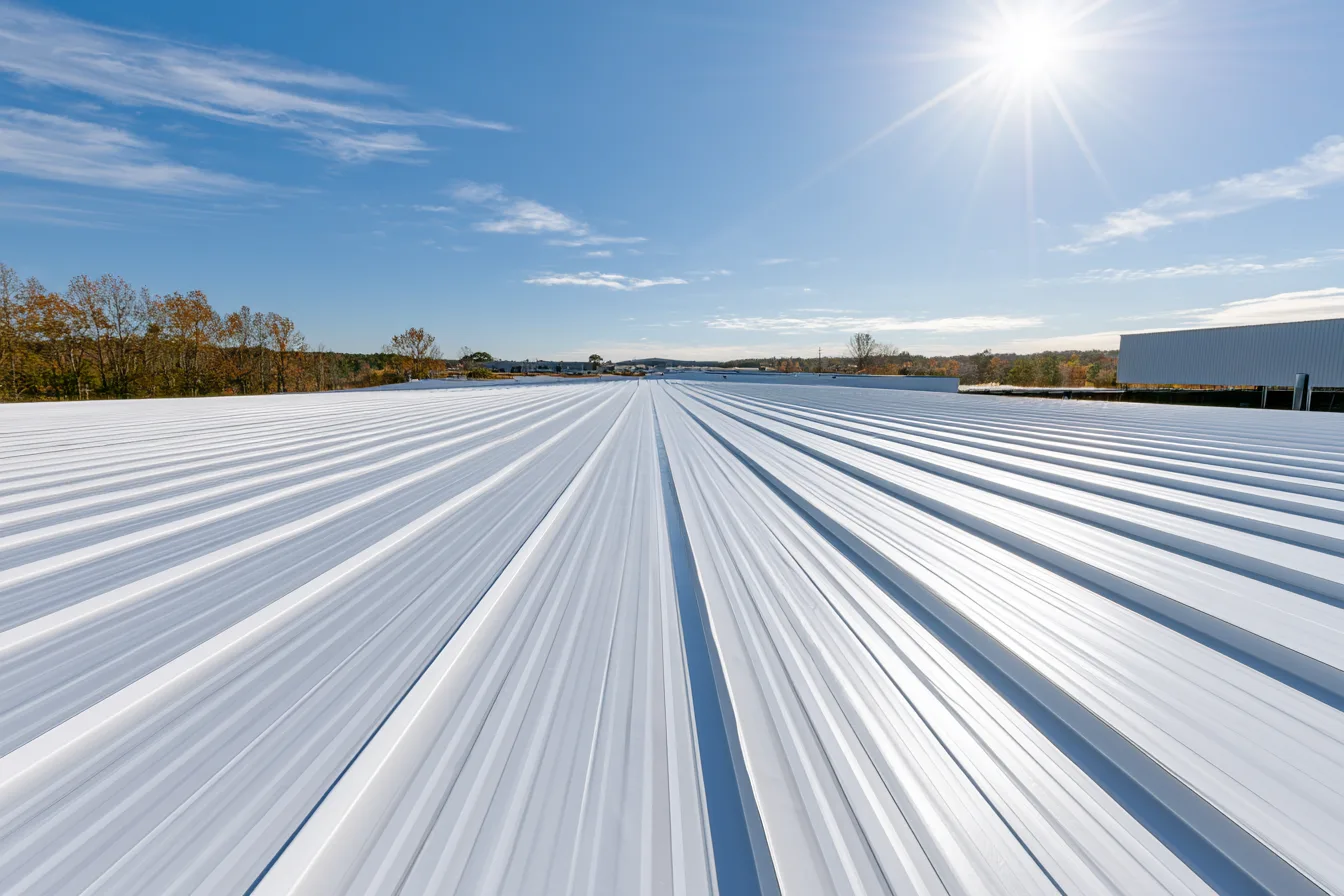
Panel systems need sufficient slope and the correct seams, attachment and transitions. Their design is distinct from a membrane roof.
A compatible coating or liquid-applied system can renew a suitable existing surface. It doesn’t replace the need to address wet materials, structural defects or drainage.
Two proposals for the same footprint can include different amounts of work. Ask the roofers to make the underlying assumptions clear so you can compare the investment.
Area matters, but equipment, height and restricted staging can change the labor required per square foot.
Removal, an eligible recover and restoration have different preparation, disposal and assembly requirements.
Insulation type, tapered work, drains and overflow arrangements affect both cost and the finished roof’s water path.
Concealed repairs may remain uncertain until an area is opened. Understand the allowance or pricing method and how additional work is approved.
Curbs, piping, exhaust and rooftop units add details and may require coordination with other trades.
Confirm what investigation supports the scope and which warranty or guarantee, if any, is included for the specified assembly.
If a delivery truck uses the same space a lift or debris container would need, that conflict belongs in the plan before work starts. Tell us which entrances, loading areas and occupied rooms have to stay accessible. Our roofers can work through staging and phasing with you; the actual job determines whether a shutdown is necessary.
Identify suitable delivery, lift and disposal areas, and preserve required access routes.
Discuss noise, overhead work and access changes with the people managing those spaces. Work over a stockroom may need different coordination from work over a customer entrance.
The amount of roof opened at once has to fit the weather and the ability to protect it. The roofer plans the sequence and temporary protection for the job, including what happens if conditions change.
Equipment lifts, electrical work, gas piping and condensate arrangements need the appropriate trade involvement.
Review the agreed completion information, drainage and maintenance requirements, along with any applicable inspection and warranty documents.
Sometimes. The existing roof must be suitable for the proposed system, with wet or damaged areas addressed and adhesion established. The coatings page explains what makes that option worth investigating.
“No dollar limit” concerns the amount available for covered repairs under the named program. It doesn’t mean every failure is covered. A manufacturer may offer material-only and broader system programs; GAF’s commercial comparison is one example. Confirm eligibility, exclusions and the actual document offered.
That depends on the building use and proposed work. Discuss operational constraints early so phasing, access and any required shutdowns can be included in the plan.
Share the building location, roof type if known, current problem, approximate area and any access or operating constraints. Previous roof documents can help, but you can start without them.
Arlington Roofsmith
Tell us what is happening on the property and what the roof has to accommodate. Our commercial roofers can help you assess the options and define the next step.
(817) 650-1526