Measure and assess the existing roof
Review slope, shape, layers, openings and any known leak history.
Arlington, TX
The shingle matters, and so does everything installed beneath and around it. Compare the roof assembly, the product and the price together.
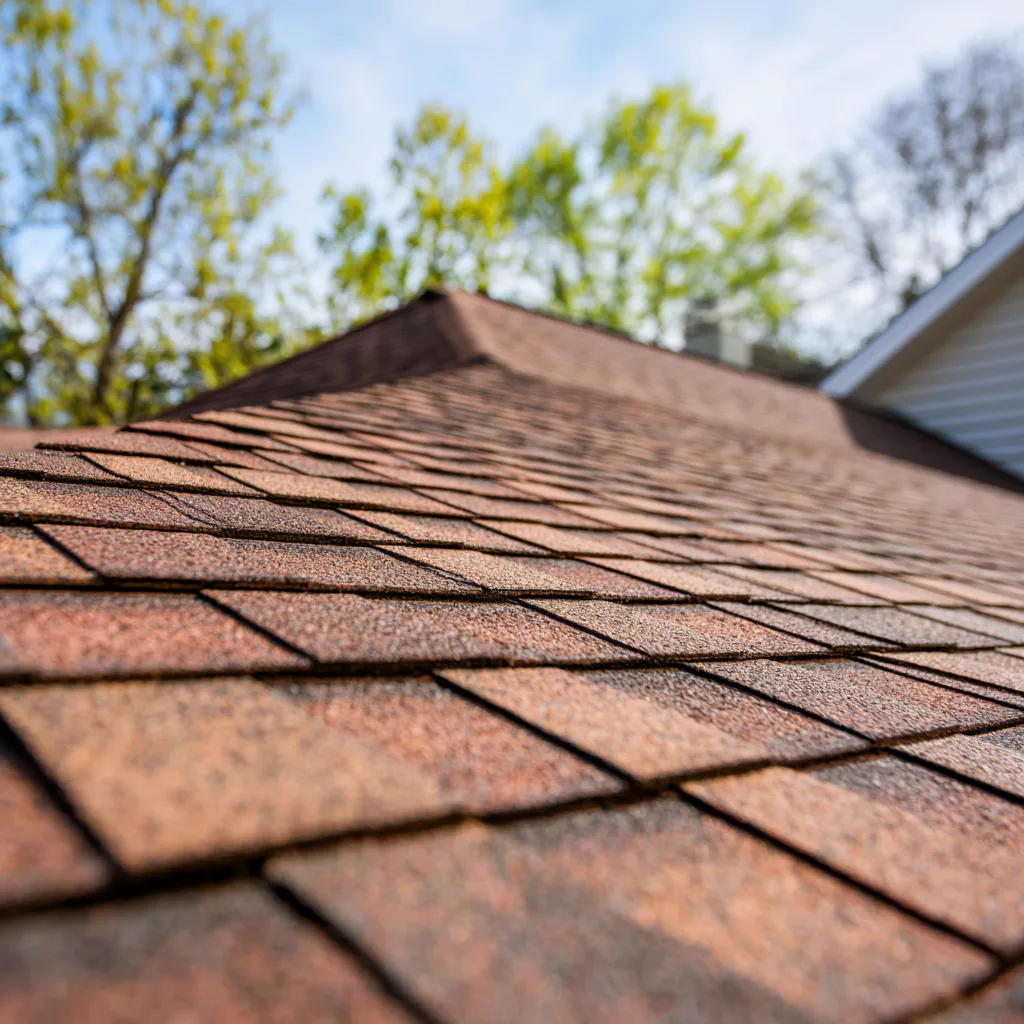
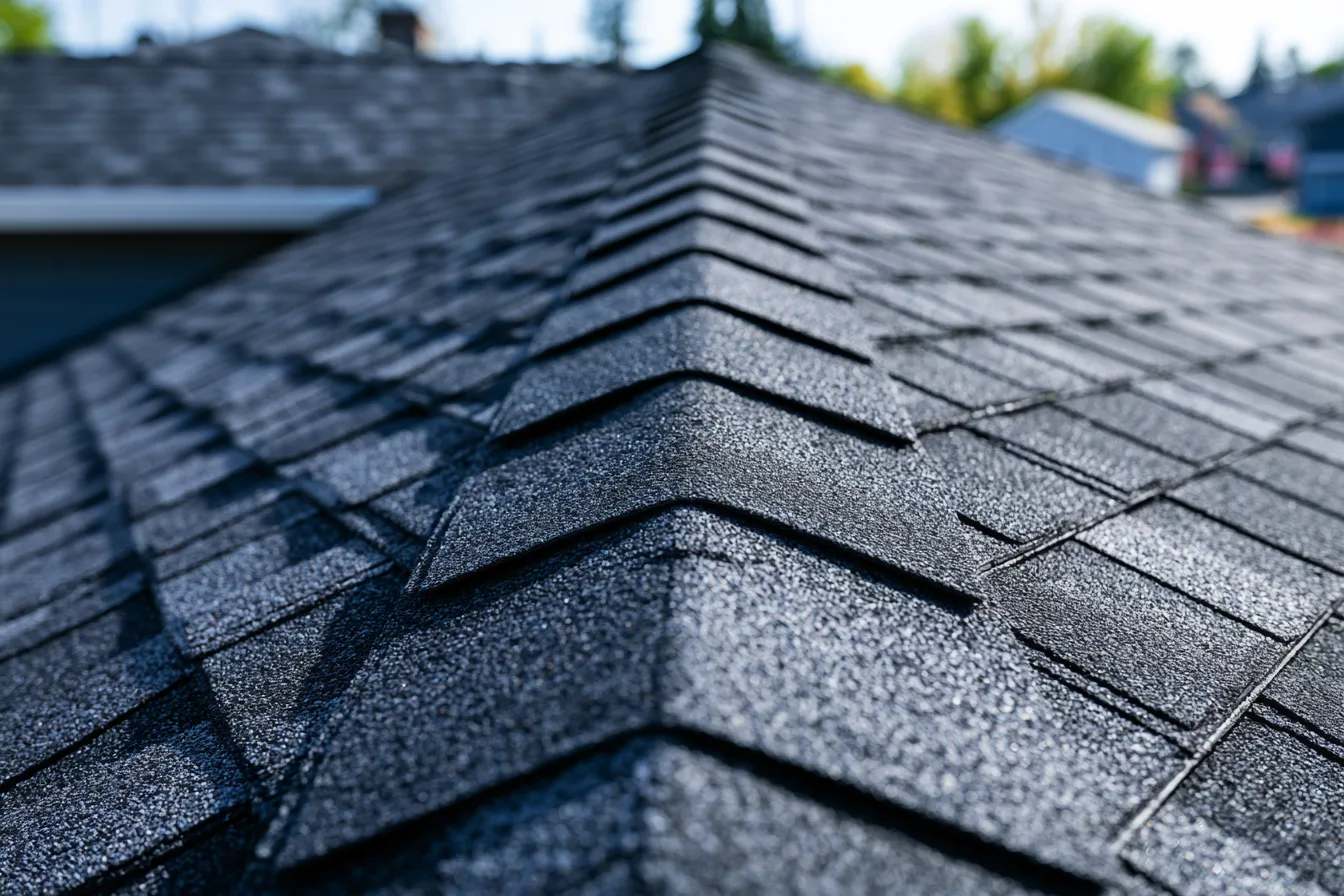
Three-tab shingles have a flatter appearance. Laminated architectural shingles add dimension, and designer profiles offer other shapes and textures. An impact rating describes tested performance; it is not a separate visual style and should be checked on the particular product.
Our roofers can help compare available shingles for your roof and budget. The shingle options guide goes deeper into the choices without treating a warranty label as a promised lifespan.
The roof covering needs suitable support. Identify how damaged or unsuitable decking will be addressed.
These components manage water beneath and at the edge of the shingles. Their installation must suit the assembly.
Use the specified components, placement and fastening for the chosen product and roof conditions.
Walls, pipes, chimneys and intersecting slopes need details that connect with the new covering.
The attic arrangement and product requirements determine appropriate venting. Every roof does not automatically need a new ridge opening.
Review slope, shape, layers, openings and any known leak history.
Compare appearance, applicable ratings and the actual warranty terms.
Discuss access, debris handling and what work is included at adjoining materials.
Concealed findings can change the work. Establish how additional repairs will be priced and approved.
Follow the specified details and understand the care and coverage associated with the roof.
Missing shingles and curling edges give the roofer places to check. The important question is how much sound material remains around them. Loose granules alone don’t answer that question.
An inspection can help distinguish a limited shingle repair from a roof that no longer supports a dependable repair. A neighbor’s storm claim does not answer that question for your house.
The DFW planning ranges are published installed bands of $5 to $8 per square foot for architectural shingles and $6.50 to $10 for Class 4 shingles. For an illustrative 2,000 square feet of roof surface, that is $10,000 to $16,000 and $13,000 to $20,000.
These are regional seller ranges with ordinary tear-off included, not measured Arlington averages. Roof shape, access, layers and concealed repairs can change a proposal. Floor area is not the same as roof surface area.
A Class 4 rating indicates performance in a specified laboratory impact test. It doesn’t promise that a roof will escape damage in a particular storm. The product’s wind rating, installation requirements and warranty are separate matters.
If an insurance discount affects your decision, ask your carrier which products qualify and what proof it requires before selecting the upgrade.
GAF describes its Class 4 shingles and the limits of the rating.
Only where the existing condition, code and proposed system allow it. A recover conceals the deck and has limitations. Discuss removal and any eligible alternative using the actual roof conditions; the permit guide covers Arlington’s published reroof requirements.
No. A warranty describes coverage and conditions, not a forecast of when a roof will need replacement. Compare the written terms and the roof assembly. See the warranty guide.
The roofer can estimate a schedule after assessing size, shape, access and the planned work. Weather and concealed repairs can affect it. Discuss the expected disruption and how changes will be communicated.
Compare the product, installed difference, any confirmed insurance benefit and your plans for the property. It can be a useful upgrade, but it doesn’t eliminate storm risk.
Arlington Roofsmith
Tell us what is on the roof now and what you’re considering. Our roofers can assess the roof and discuss the available choices.
(817) 650-1526