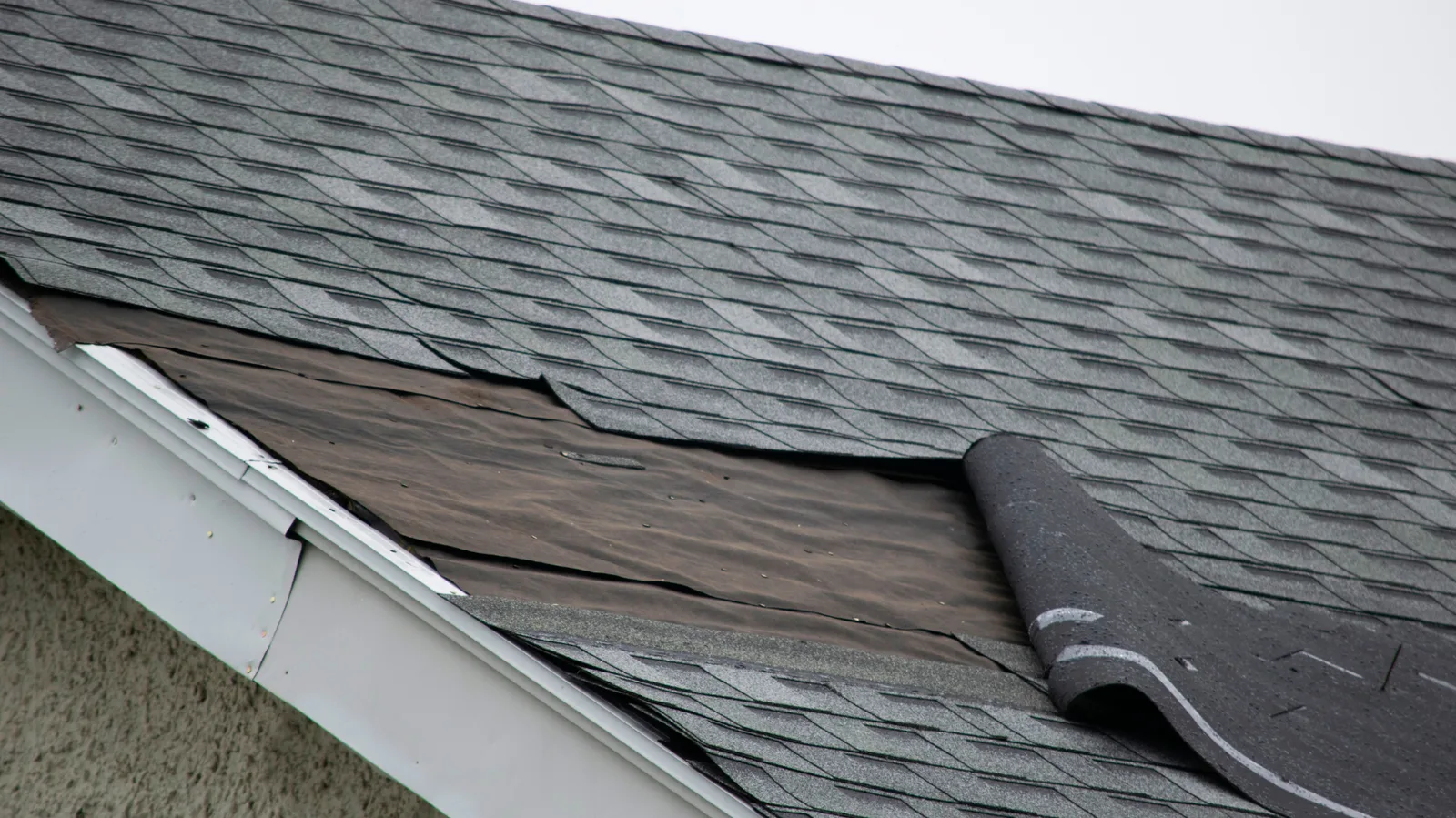
Roof Repair
Find the failed detail and decide whether a lasting repair fits the surrounding roof.
Explore this service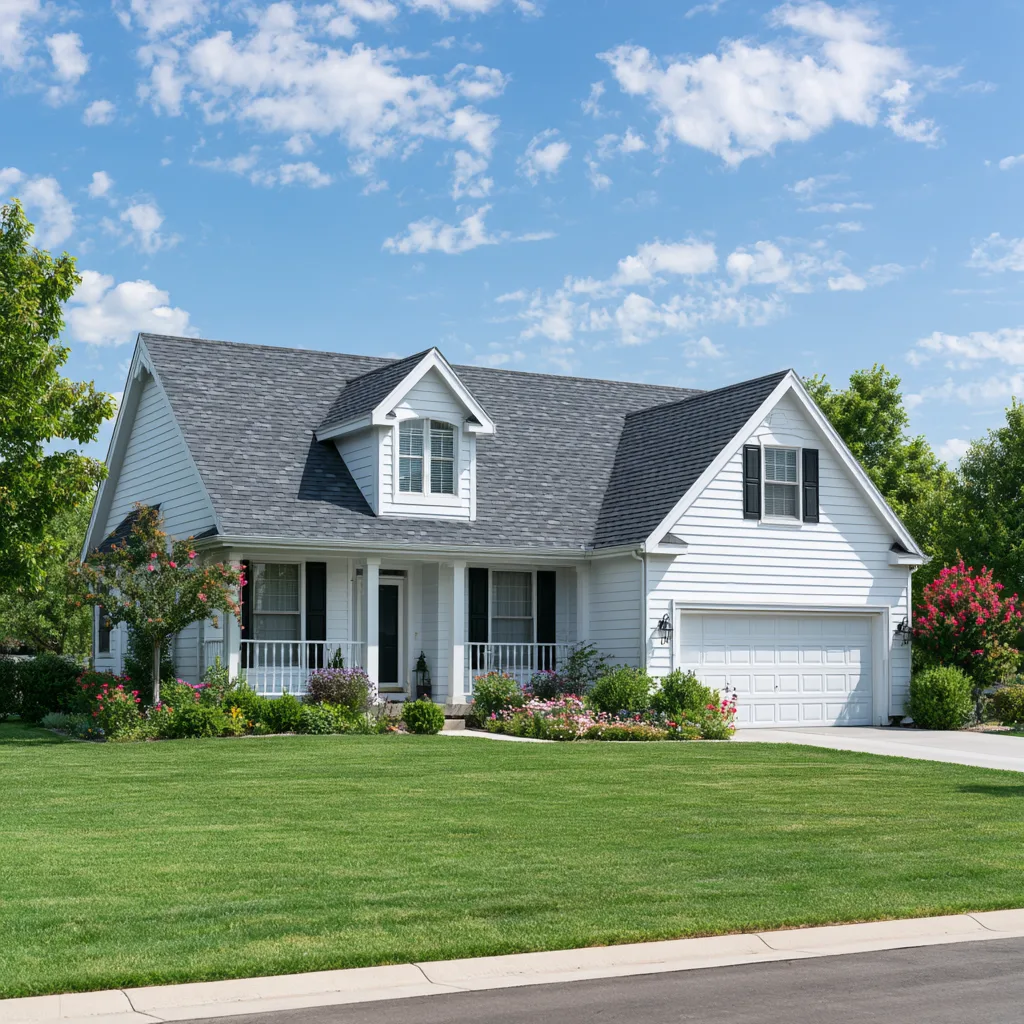
Arlington, TX
An older home, a converted building or a business near downtown can need more than a covering change. Start with the roof assembly and the way the property is used.
Rooflines changed over time
A downtown house with a later addition can have a steep main roof, a lower porch roof and several places where covering meets a wall. Putting the same material everywhere isn’t always the right answer. The slope and connection determine what will work at each part.
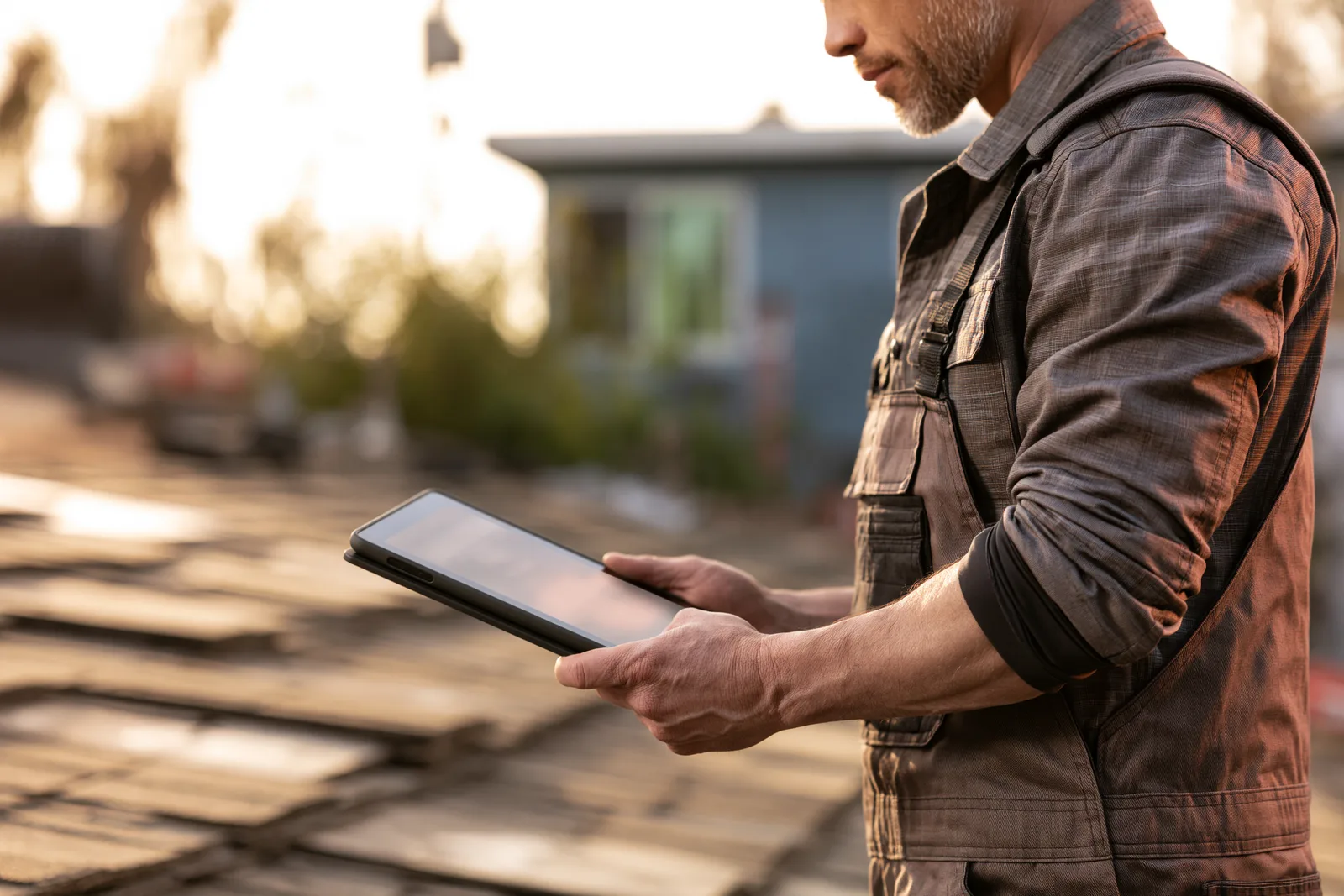
Our roofer checks those details before you choose the covering. If you’re considering a heavier material, the supporting structure may need a separate professional assessment before it goes into the order.
Old Town and The Hill sit north of downtown, with homes that may have been altered, repaired and reroofed since their original construction. On a property with later additions, the important history is how those roofs were joined and what earlier work kept in place.
If the property has a historic designation or another exterior restriction, check the requirements before choosing a different material. The city’s North Central Historic Neighborhoods plan is useful context for these places; requirements still belong to the actual address.
Downtown Arlington
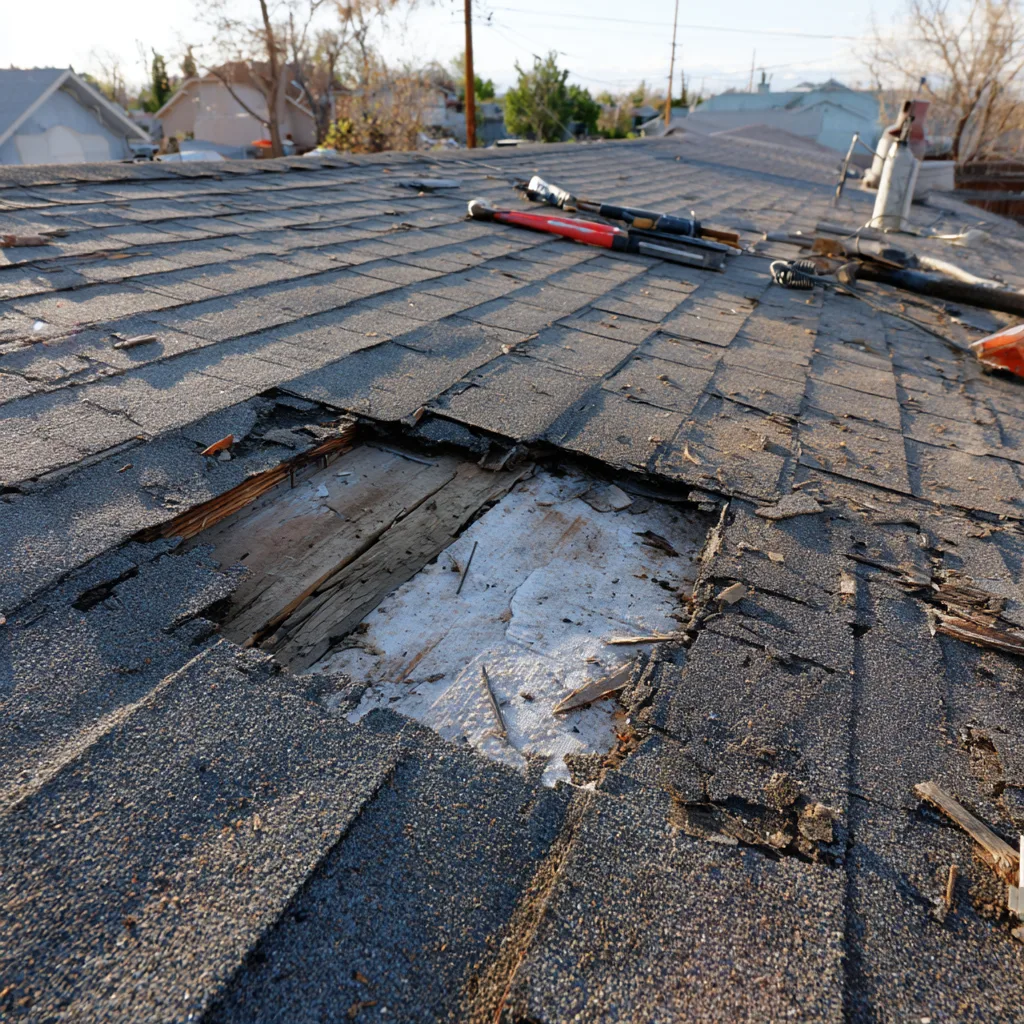
Before a new covering is ordered, the roofer needs to understand how it will attach and shed water at the existing roof’s slopes, edges and walls. Some hidden details need further investigation; those belong in the discussion before the scope is treated as settled.
Decking, slopes and roof-to-wall junctions affect the proposed system. A routine inspection does not include opening the roof unless that additional work has been discussed and agreed.
A heavier material can raise questions about the supporting structure. That assessment is different from choosing a color or profile.
Historic status, permits and any applicable restrictions need to be checked for the actual address and work scope. A broad neighborhood name does not establish the rules.
Abram and Division
Abram Street, Division Street, Levitt Pavilion and the streets around downtown are useful reference points for a local roofing request. Include the property address and whether the building is a home, rental or business.
The service-area guide covers the other parts of Arlington. These local descriptions are orientation, not surveyed boundaries.
Open the area in Google Maps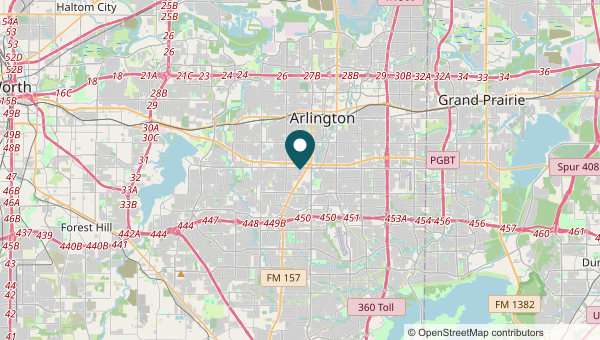
A leak may need a targeted repair. A complete replacement needs a broader assembly plan. For a business roof, drainage, equipment and occupied space add their own questions.
Find the failed detail and decide whether a lasting repair fits the surrounding roof.
Explore this service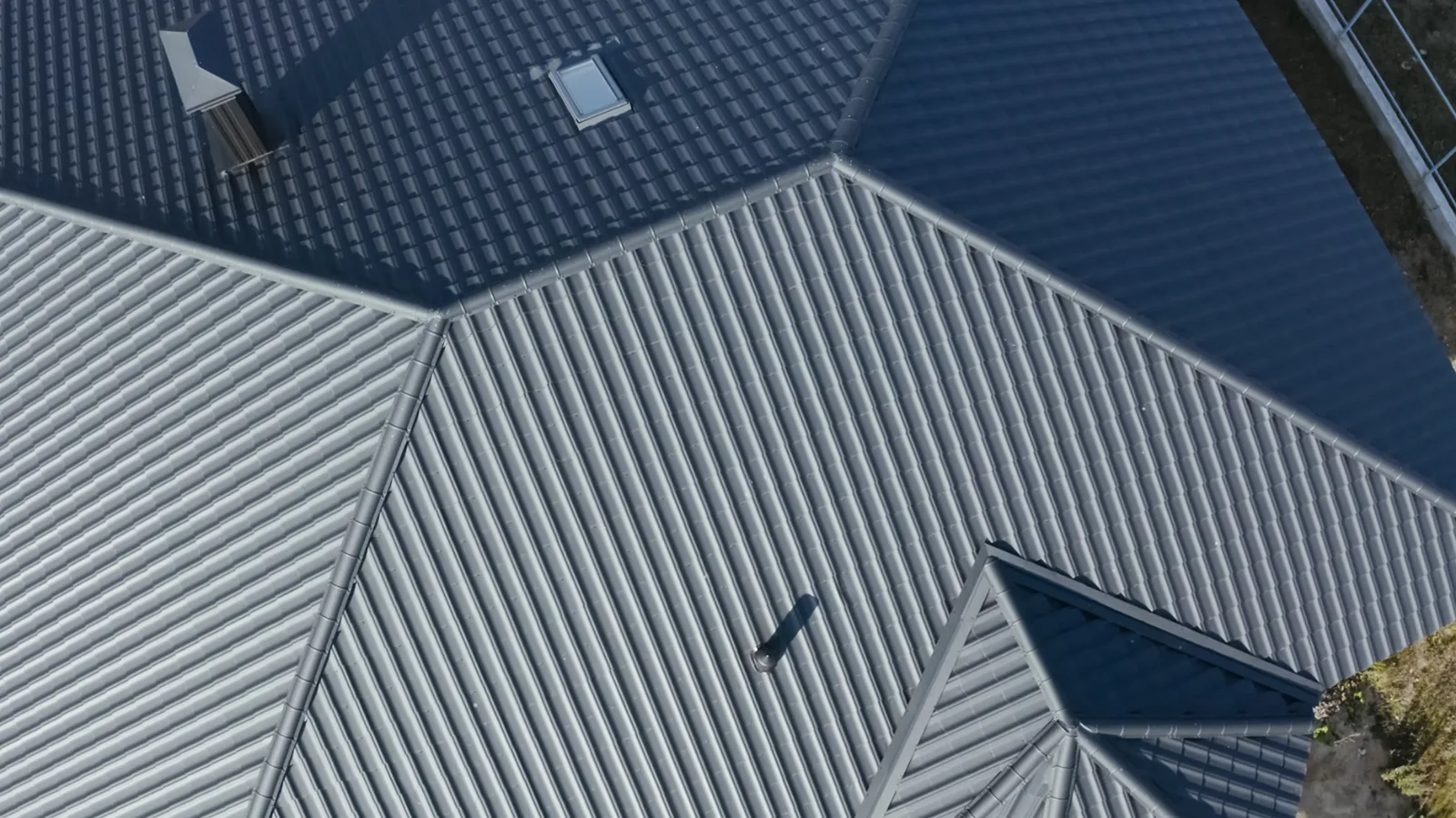
Compare panel systems, roof details and installed cost before choosing metal.
Explore this service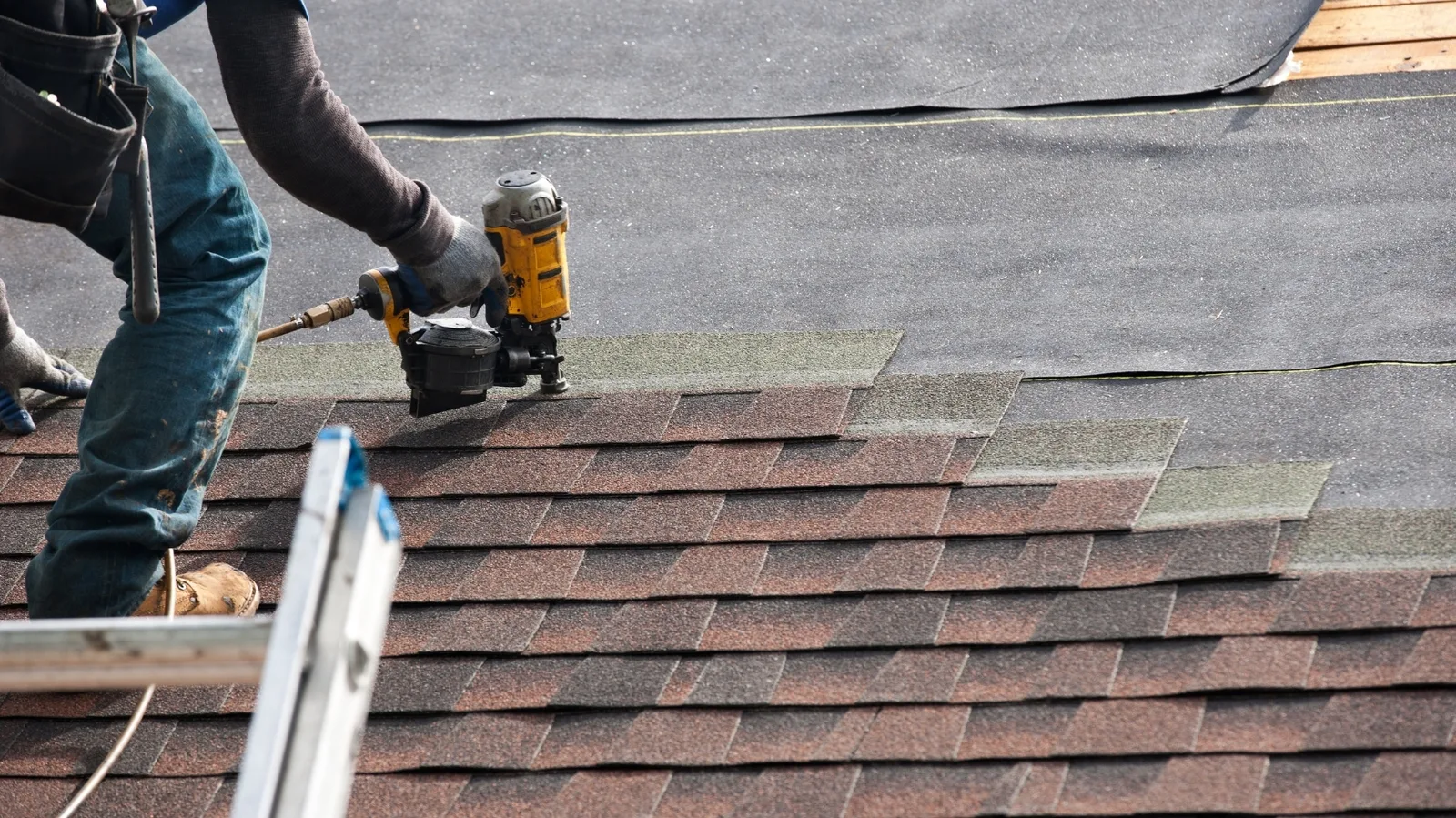
New covering, sound support and the flashing details that make a roof work together.
Explore this service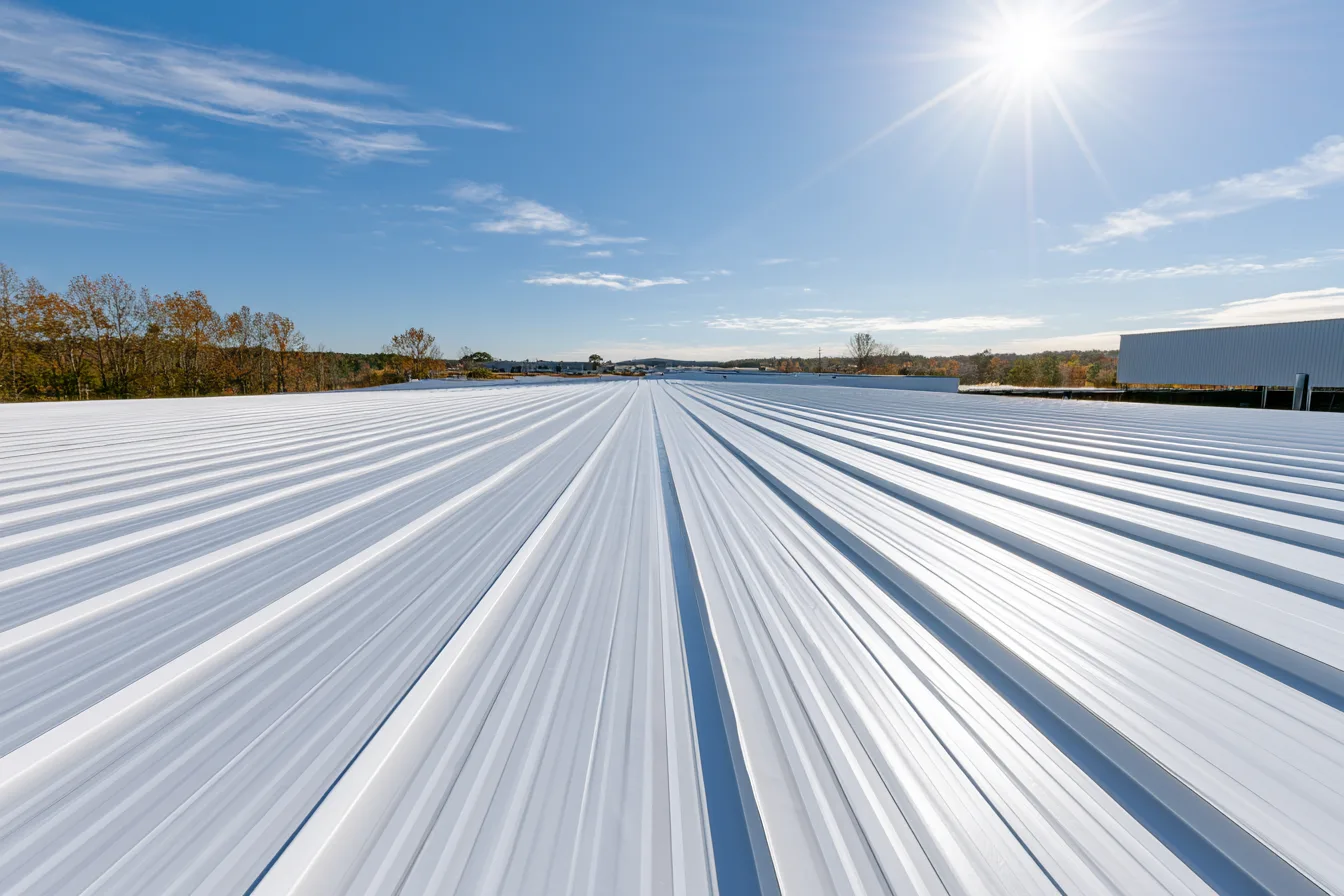
Discuss low-slope systems, building access and roofing over occupied space.
Explore this serviceThe property and the proposed work determine which questions need to be resolved.
Not necessarily. Pitch, structure, existing details and any actual property restrictions matter more than the downtown label. The material guide explains the main system choices.
A routine inspection assesses the visible and accessible condition. Opening the covering is separate work to discuss and agree in advance. Some hidden conditions can’t be established until removal.
No single assumption is useful here. Check the actual designation, applicable local requirements and the proposed work with the city. The permit page links to current resources.
Arlington Roofsmith
A leak in an older house or a roofing project over an occupied business starts with the building you have. Request a free inspection and let’s work through what the roof needs before you order materials.
(817) 650-1526