Inspect and measure the roof
Identify its shape, slope, openings and existing assembly before selecting a panel system.
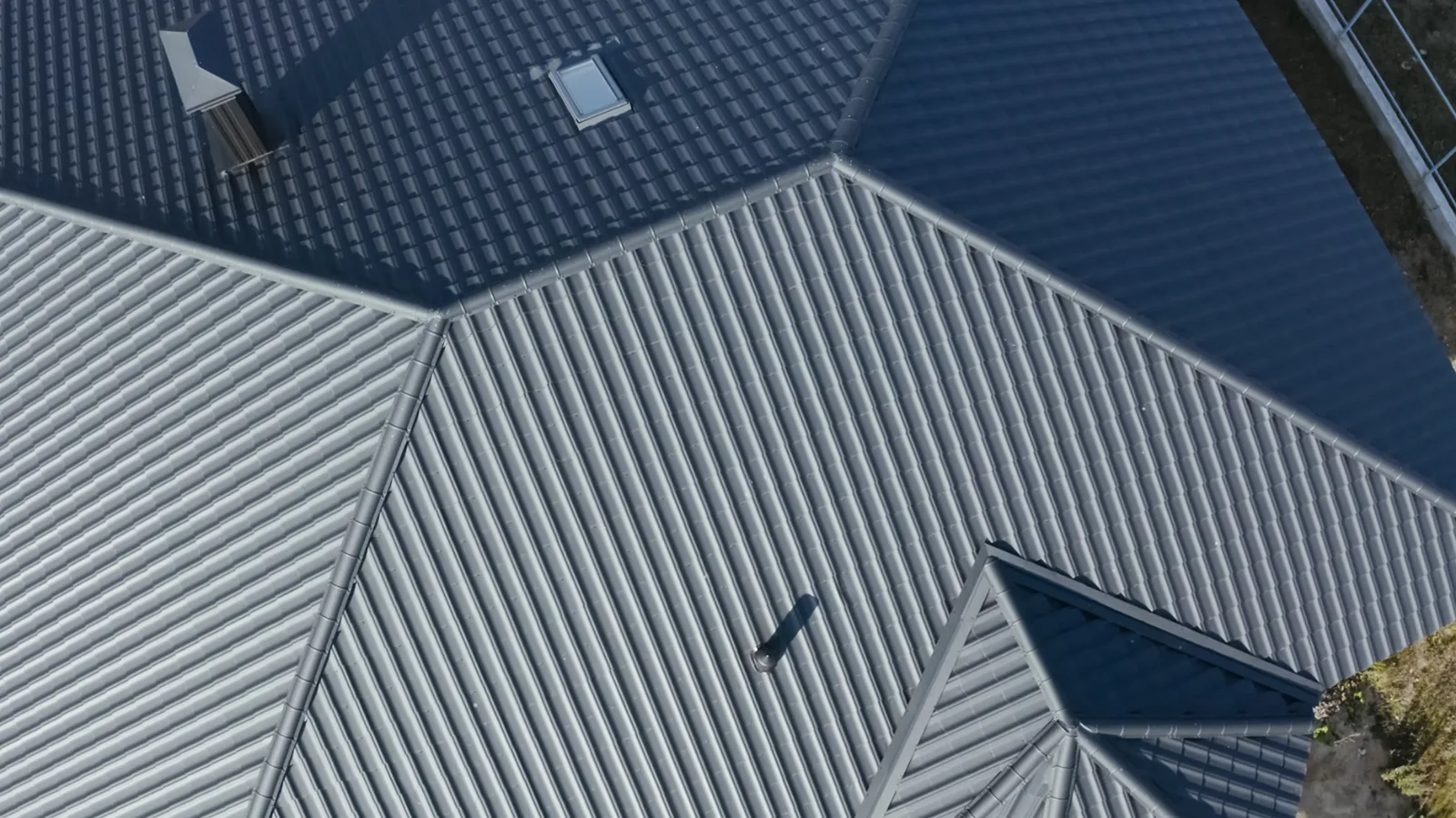
Arlington, TX
Metal is worth comparing when you’re planning a new roof. The panel system, roof details and installed price need to fit your house and the way you intend to use it.
Metal can offer a long service life, but “the last roof you will buy” is not a useful guarantee. The actual panel, attachment, finish, maintenance and exposure matter. So do the up-front cost and the roof’s suitability for the system.
Our roofers can help you compare metal with asphalt shingles on the same measured roof. Ask what each proposal includes and what upkeep it calls for, rather than assuming all metal bids describe the same installation.
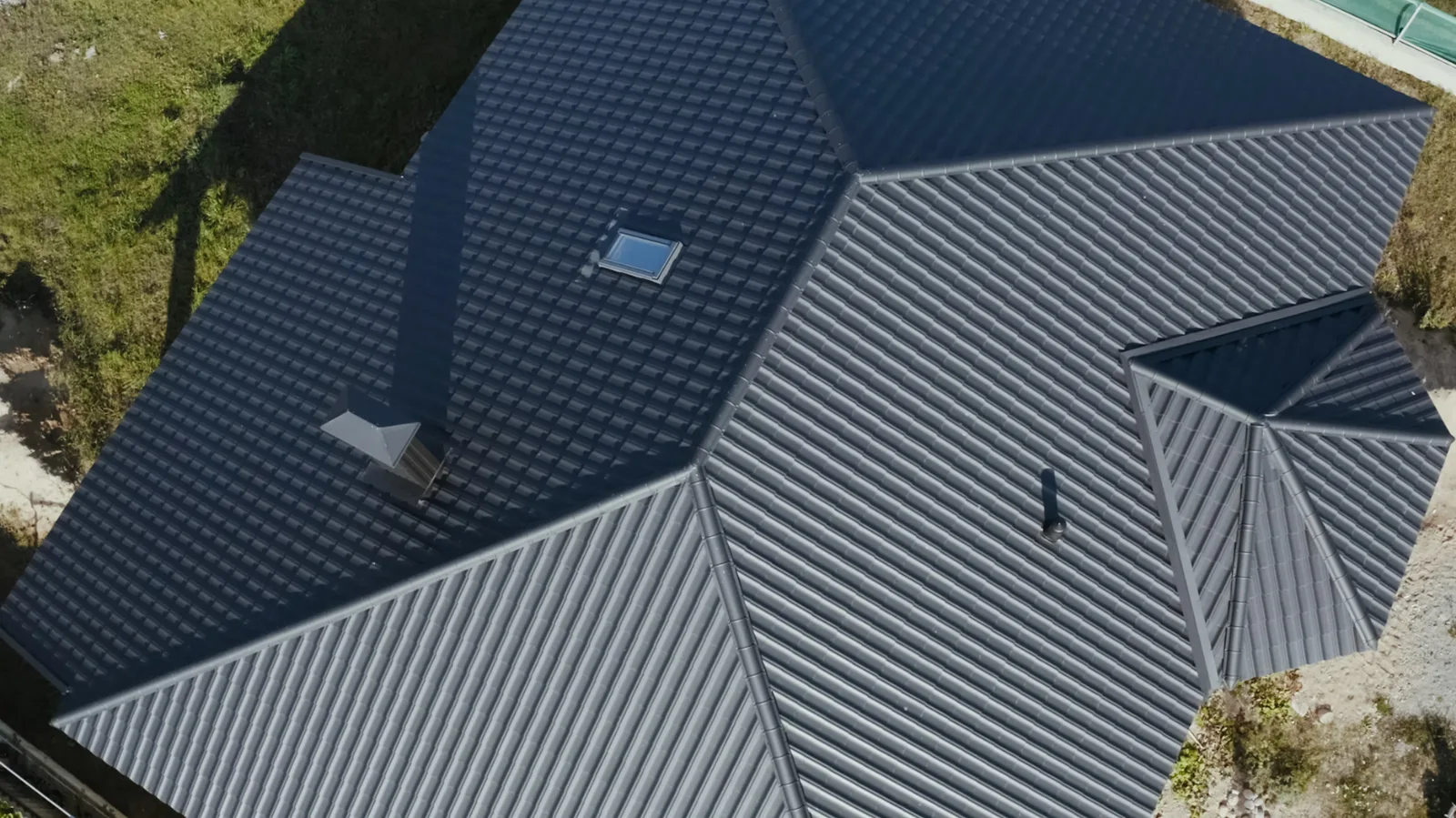
The panel connection and attachment method influence how the roof handles movement and water. They also affect installation details and future maintenance.
Raised seams join adjacent panels. Many systems conceal much of their attachment, with clips or other components suited to panel movement and the specified design.
Fasteners pass through the panel face, generally using a sealing washer. Their condition, installation and maintenance are part of the roof’s performance.
Minimum slope varies by panel and seam type. A product suitable for one roof plane may not suit a lower-slope porch or addition.
Panel finish, edge trim, valleys and penetrations belong in the specification. A finish warranty and weathertightness coverage are different documents.
MBCI explains metal attachment methods. The particular panel’s instructions and design requirements govern.
Identify its shape, slope, openings and existing assembly before selecting a panel system.
The proposed assembly, existing conditions and code determine what may remain. A metal recover is not automatically suitable or automatically prohibited.
Address the agreed deck and underlayment work, using components compatible with the system and expected conditions.
Follow the specified attachment and detail the valleys, walls, pipes and other interruptions.
Confirm the work included, care requirements and the actual manufacturer or installer coverage offered.
The panel system needs appropriate support and attachment. A covering change can’t correct damaged decking or framing by itself.
A lower porch or addition may need a different covering or detail from the main roof.
Identify what is present and whether it fits the proposed assembly. The visible roof may not tell its whole history.
Short planes, valleys and multiple penetrations add fabrication and detailing. Their cost does not disappear inside a price per square foot.
Our roof cost calculator uses a published DFW standing-seam planning band of $12 to $25 per square foot of roof surface. That is a regional seller’s range, not an Arlington average or a price for exposed-fastener panels.
Ask the roofer to identify the panel type, finish, attachment, underlayment, trim, removal and concealed-repair assumptions. A lower metal price can reflect a different system or scope. Compare those details before deciding which number is useful.
Metal can dent in hail. Whether the damage affects performance depends on where it occurs and what it does to the panel, seam, fastener or flashing. A dent in the field and damage at a critical connection deserve different attention.
Insurance can also distinguish cosmetic and functional damage. Read the actual policy and endorsements rather than assuming every visible dent will be covered. The insurance guide explains the settlement questions.
It can, but no fixed multiple applies to every roof. Compare the specific systems, exposure, maintenance and installation rather than planning around a guaranteed number of shingle replacements.
The entire assembly affects sound, including the substrate, insulation and ceiling. A house with a supported, insulated roof is a different situation from an open structure with bare panels.
Yes. Follow the system’s care requirements and address debris, damaged details and fastening concerns. Exposed-fastener seals and standing-seam details have different maintenance considerations.
Panel material, finish, installation and weathertightness may have separate terms. Ask for the documents offered with the project and the limits of each. The warranty guide explains what to compare.
Arlington Roofsmith
Tell us about the house and what you’re considering. Our roofers can assess the roof and discuss a specification and price for the work.
(817) 650-1526