Describe the pattern
Note which rain conditions produce the leak and what previous work has been done. Existing photos can help explain an intermittent problem.

Arlington, TX
Water can travel along framing or roof layers before it leaves a ceiling stain. Our roofers can investigate where it is getting in and what needs repairing along its path.
Tell us which room is affected, when the leak appears and whether wind changes it. Water can follow a rafter, pipe or layer of roofing before reaching the ceiling. Those details help narrow the search without assuming the entry point is directly above the stain.
If water is entering now, ask about the earliest available emergency roof help. Stay clear of sagging ceilings and water near electrical equipment. Protect belongings only where you can do so safely.
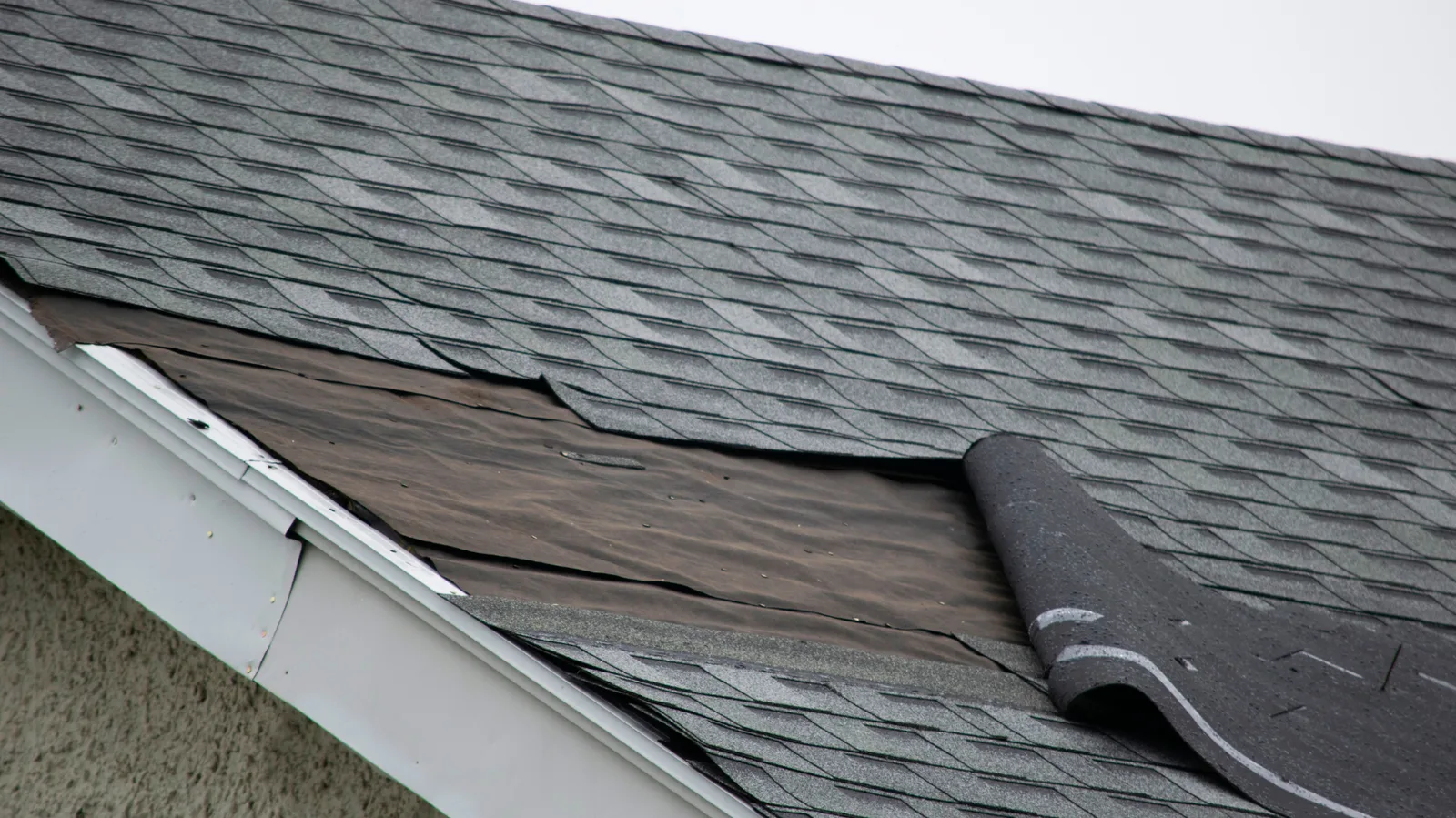
A leak investigation connects the indoor evidence with the roof assembly. Sometimes the cause is visible; sometimes access, weather or further testing is needed.
Staining, damp insulation and water tracks can help locate the route. They do not establish the age or full extent of damage by themselves.
Examine the flashing and seals where a vent, skylight or other opening interrupts the covering.
These connections have to move water between different surfaces. A defect can be concealed beneath an apparently intact edge.
Damaged shingles, open seams or deteriorated support can affect both the entry point and the repair that will hold.
Note which rain conditions produce the leak and what previous work has been done. Existing photos can help explain an intermittent problem.
The roofer examines the relevant roof details and indoor evidence where access is available and safe.
A concealed or intermittent leak may need further access or a controlled test. Discuss the purpose and scope before additional work.
Clarify the entry-point work, affected materials and how concealed damage will be handled.
Understand the completed scope, any remaining limitation and the coverage offered for that repair.
Fresh paint can cover a water mark without stopping the leak. Roof work can stop the entry while damp interior material still needs attention. The sequence matters: identify the source, address it, then assess the affected indoor materials.
Have the entry point investigated before another cosmetic repair.
The original diagnosis, surrounding material or the connection detail may need another look.
It can have one traveling source or several defects. The roof needs assessment before assuming replacement is the only answer.
Keep people out of the affected area and seek urgent help. Do not stand beneath it or puncture it.
A repair at an accessible pipe flashing is different from opening a wall connection or replacing damaged decking. Height, slope, materials and the amount of removal all affect the work. The inspection should establish enough scope to make the price meaningful.
If the covering is too brittle or deteriorated to support a sound repair, compare replacement with the limited repair option. Our new-roof calculator can help with that replacement budget; it doesn’t price a leak repair.
Some defects admit water only when rain arrives from a particular direction or collects around a detail. A dry attic on inspection day does not prove there is no problem. Explain the conditions when you saw the water.
The roof may also be only one possible source. Condensation, plumbing and wall openings can produce indoor moisture. A useful inspection keeps those possibilities open until the evidence points to the cause.
Weather and safe access determine what can be done. Temporary protection may be possible before permanent work, but availability and the condition of the roof need to be assessed.
The entry point may have been missed, the surrounding material may have deteriorated, or another defect may be involved. Share the earlier repair history so the next inspection can test those possibilities.
Not necessarily. The visible mark can understate concealed moisture, and water may have traveled from another part of the roof. Have the cause checked before judging the repair by the stain’s size.
Coverage depends on the cause, policy and circumstances. Maintenance or wear and a covered sudden loss are different situations. The insurance guide explains what to ask your insurer.
Arlington Roofsmith
Describe the affected room, the rain conditions and any earlier repair. Our roofers can help you work out the next step.
(817) 650-1526