Review the attic and roof together
Identify the assembly, accessible openings and any evidence of moisture or blocked airflow.
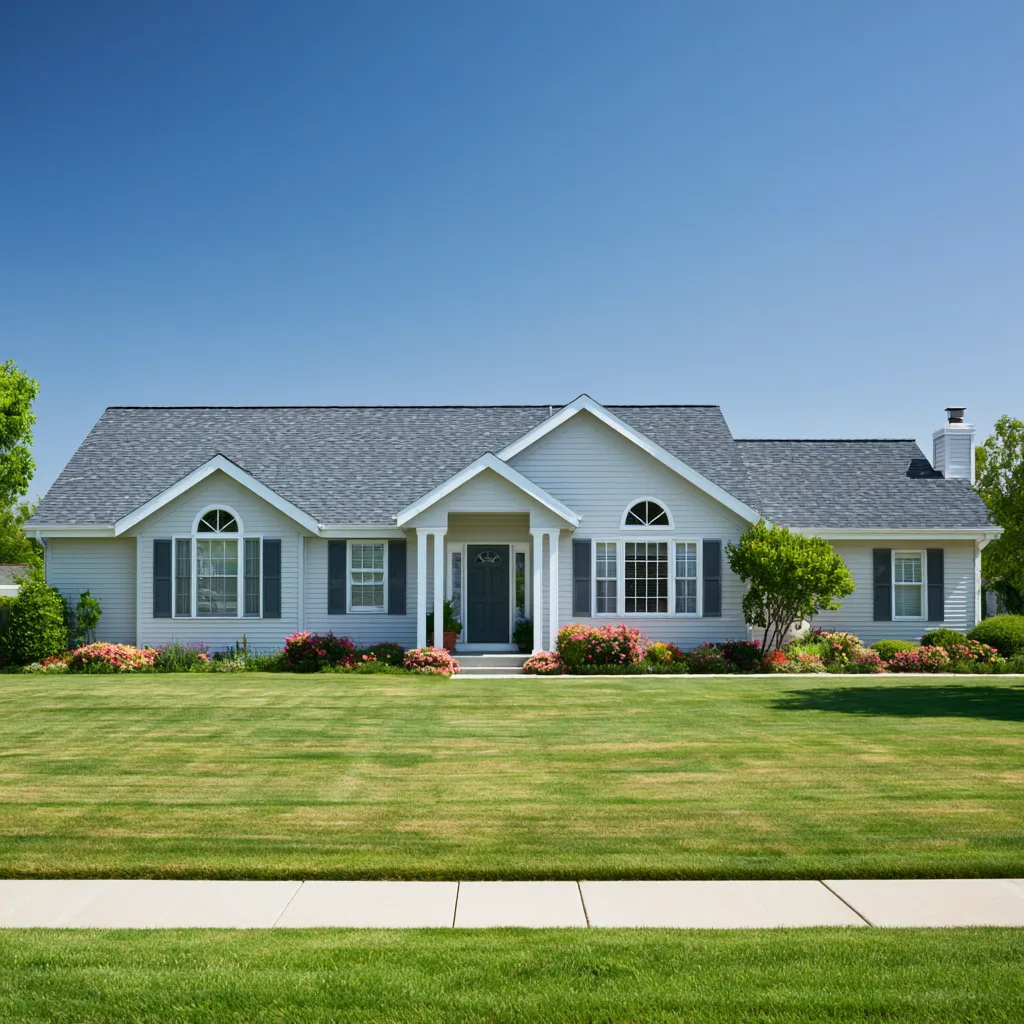
Arlington, TX
More vents do not automatically mean a better attic. Our roofers can assess how air enters and leaves the space, and whether the existing arrangement suits the roof.
Attic ventilation is worth checking, but a hot room can also involve insulation, air leaks, ducts or the heating and cooling system. A new roof vent is not a guaranteed cure for an uncomfortable room or a high bill.
Describe the rooms affected and any moisture or roof concerns. Our roofers can examine the roofing side and identify where another trade’s assessment may be useful.
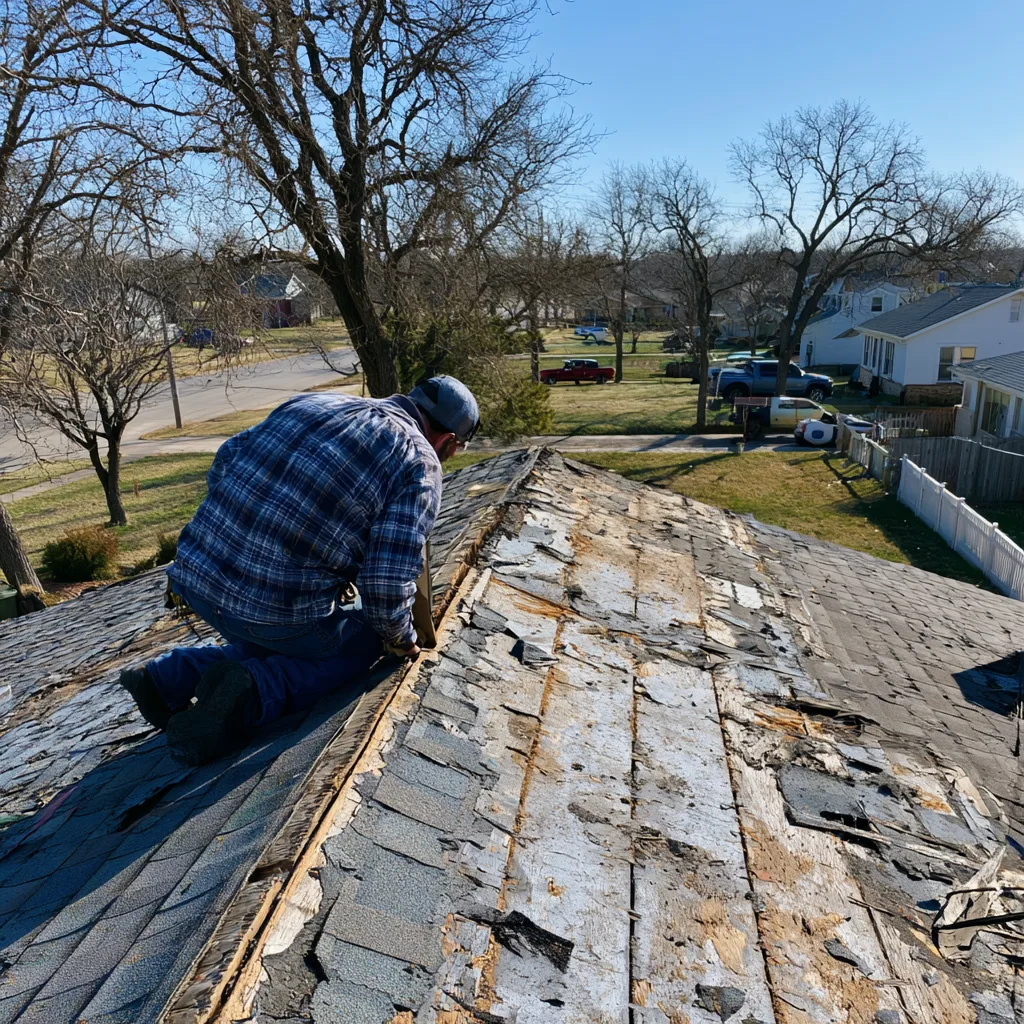
In a conventional vented attic, intake near the eaves and exhaust higher on the roof work together. The usable opening area, attic layout and unobstructed path matter. Unvented attic assemblies need a different approach.
Paint, covers or insulation can restrict the openings. The visible panel size is not the same as its usable ventilation area.
Ridge vents, roof louvers, turbines and powered vents have different requirements. More types on one attic can create unintended airflow.
Baffles or other details may be needed to preserve airflow while maintaining the intended insulation.
An addition or enclosed roof bay may not share the same air path as the main attic.
GAF’s attic ventilation guidance explains intake and exhaust balance and the distinction between ventilation-related damage and manufacturing-defect coverage.
Identify the assembly, accessible openings and any evidence of moisture or blocked airflow.
Size the proposed system to the relevant attic space and product requirements.
It may involve clearing or improving intake, changing exhaust, or addressing a problem outside ventilation.
Identify any shingles, soffit, insulation or interior work affected and who is responsible for it.
Damp insulation, staining beneath the deck or corrosion can warrant investigation. They can have several causes, including roof leaks or indoor moisture reaching the attic. You don’t need to climb through the attic to request an assessment.
If the concern is water after rain, roof leak tracing may be part of the investigation. If the eave panels are damaged or blocked, coordinate soffit repair with the ventilation plan.
Cost depends on the existing openings, access, blocked bays and the work needed to fit or remove vents. A new ridge vent alone and a coordinated intake-and-exhaust correction are different proposals.
It can be practical to include suitable ventilation changes in a roof replacement. Active moisture or another damaging condition should still be assessed now, rather than left until a future roof project.
Not necessarily. The air path must work, and insulation, air leakage and cooling equipment may also contribute. Start with an assessment of the actual problem.
No blanket rule applies. Coverage depends on the manufacturer, warranty and cause of damage. GAF distinguishes manufacturing-defect coverage from ventilation-related damage; read the specific terms rather than assuming all coverage disappears.
It can be suitable for some designs, but it needs adequate intake and coordination with other openings. The attic arrangement and product requirements should determine the choice.
No. Roof shape, separated spaces and vented or unvented construction affect the design. Adding vents to an assembly intended to be unvented can be the wrong change.
Arlington Roofsmith
Tell us about the heat, moisture or roof concern and any previous ventilation changes. Our roofers can help identify appropriate work.
(817) 650-1526