Describe what changed
Give the property location and the symptom, including whether it is active now.
Arlington, TX
A leak doesn’t automatically call for a new roof. We look for the failed detail, check the surrounding covering and explain whether a repair will put it right.
The stain tells you where the water ended up. Up on the roof, it might have entered beside a pipe or wall and followed the slope before finding its way inside. Our roofer traces that route so the repair reaches the opening that let the rain in.
The room and roughly when it started are useful clues. If you’ve noticed that it leaks only with wind-driven rain, mention that too. For water coming in now, request urgent roof help. Stay clear of unsafe ceilings and electrical hazards.
When the collar around a plumbing vent splits, rain can follow the pipe below the roof. The boot can need replacing while the shingles beside it still have useful service left.
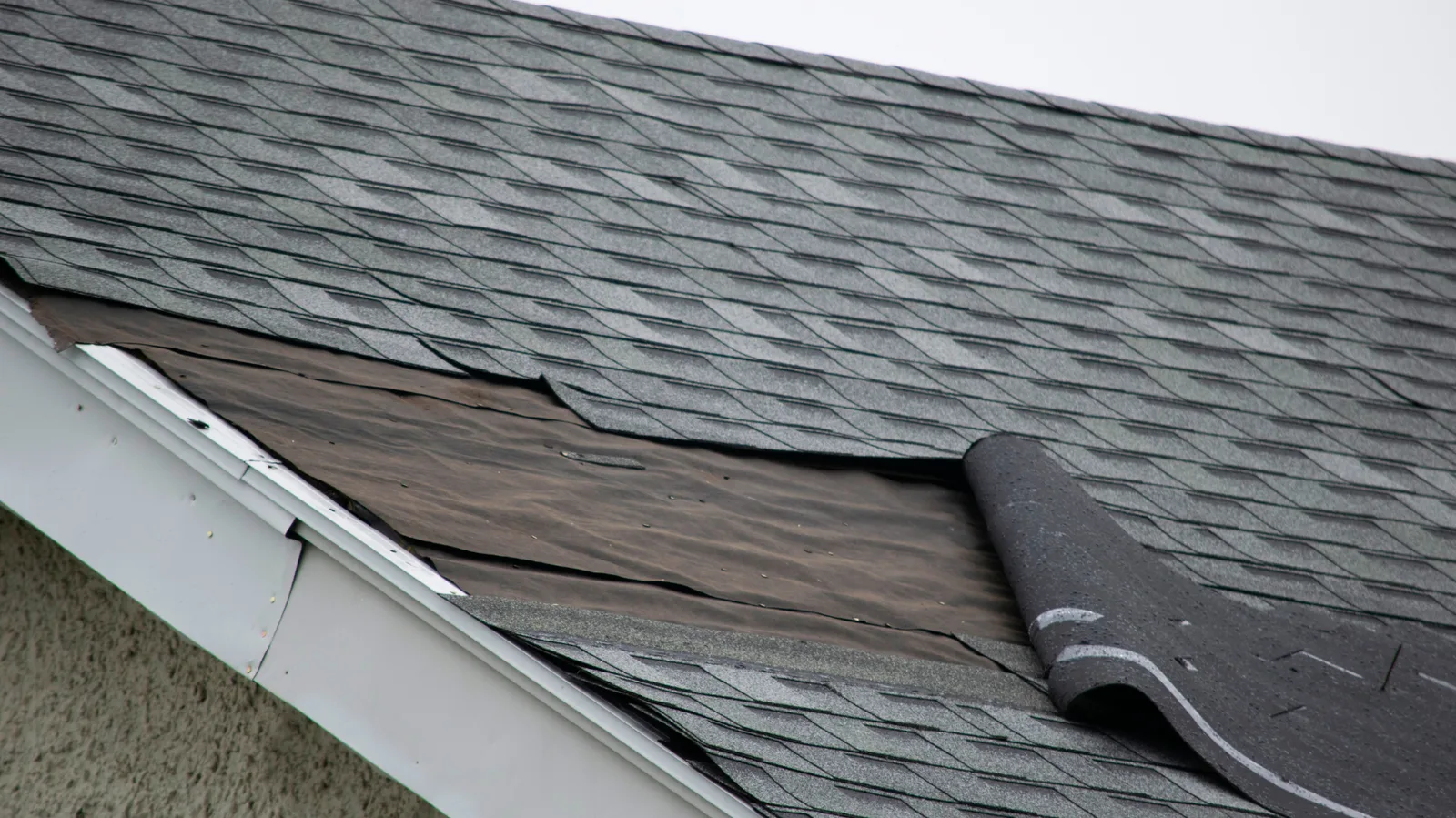
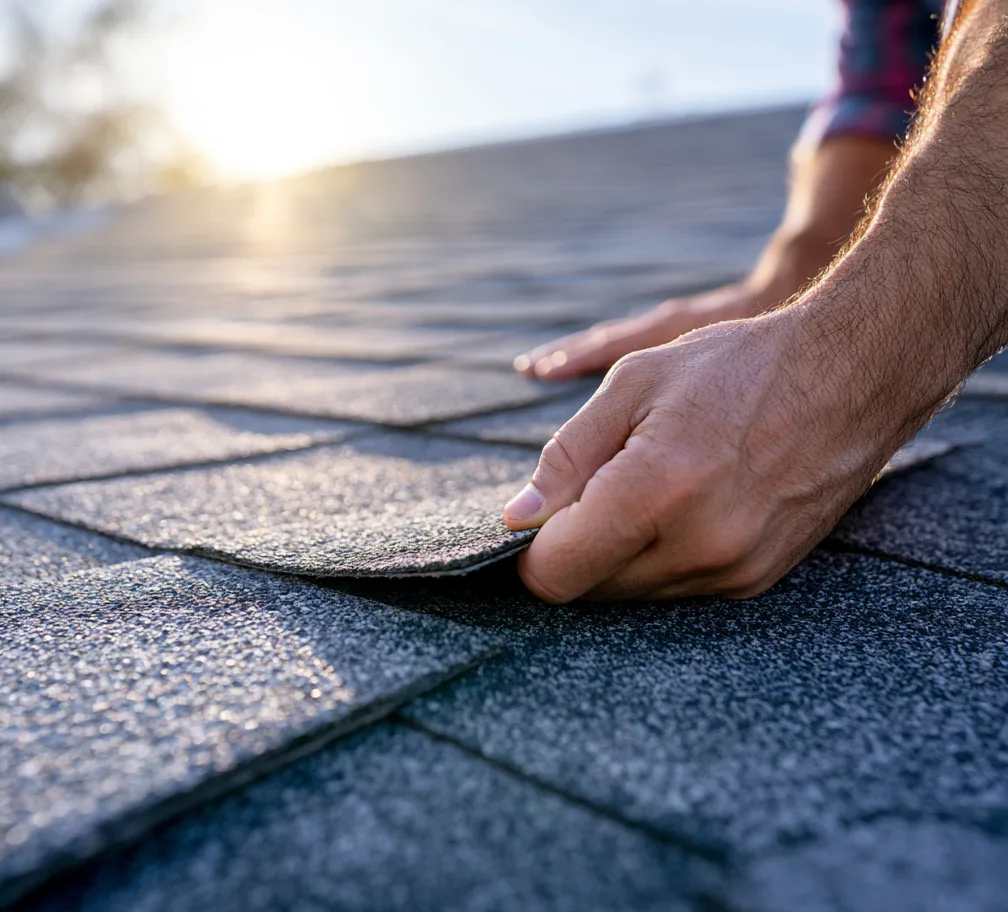
A lifted shingle may also be creased, torn or poorly fastened. Our roofer checks it before deciding whether it can be secured or needs to come out.
Flashing returns water from the wall or chimney to the roof. An open joint gives it a route behind that protection, so smearing the nearby shingles with sealant misses the job.
These areas concentrate runoff. Damaged material or a poor transition can allow water beneath the covering.
A backing-out nail can push through the shingle above it. Putting that nail down isn’t the whole repair if the covering is punctured or the fastening surface no longer holds it.
A repair has to join sound material. When the roofer lifts a shingle beside the damage, does it still flex, or does it crack? That tells us whether a small repair can tie back in and how far the work needs to extend.
Identify what will be removed, repaired or replaced, including any flashing involved.
The roofer checks how the adjoining shingles handle lifting and refastening. A repair also needs compatible material; weathering and discontinued products can limit the color match.
If opening the area reveals damaged decking, the scope may need to expand. Agree how that work will be discussed.
A focused repair does not renew the rest of an aging roof. Understand the limits and any workmanship coverage offered for the job.
Give the property location and the symptom, including whether it is active now.
We check the suspected entry point and nearby details, then explain how the repair would connect to the roof around it.
Discuss the materials, affected area, price and any uncertainty that needs to be resolved.
Settle the work and project terms with the roofer. If replacement is recommended, ask what makes the repair unsuitable.
Replacing a pipe boot and rebuilding a damaged valley are different jobs. Access, pitch, the amount of material that must be opened and any concealed damage all affect the price. A general price band can’t tell you which job your roof needs.
A free inspection is the useful starting point. Compare the proposed repair with what it would leave in service, and use the replacement cost guide if the whole roof is also under consideration. There is no universal repair-cost percentage that decides when a roof must be replaced.
A replacement years ago may have kept a chimney flashing or tied into a porch roof that was already there. When a leak starts at that joint, the age of the shingles won’t tell the whole story. The connection itself needs a look.
Existing coverings affect how a repair can be opened and tied back in.
A newer shingle field can surround older flashing. The failed component may predate the visible roof.
An old invoice or the month a leak first appeared can help explain earlier work. If those records are gone, we still start with the roof’s present condition.
Often, if the failure is localized and the surrounding material can support a suitable repair. Widespread deterioration, brittle shingles or an incompatible old repair can change that answer.
The roofer needs to check for creases, tears, fastening problems and the condition of the seal. Some shingles can be repaired according to the product instructions; others need replacement.
Product availability and weathering affect the match. Discuss the likely appearance before work begins, especially on a prominent slope.
Ask what workmanship and material coverage is offered for the specific repair, including its limits. The warranty guide explains why the documents matter.
Arlington Roofsmith
Where’s the water showing up, and what have you noticed outside? Start with a free inspection. We’ll look at the roof and explain whether a repair fits what we find.
(817) 650-1526