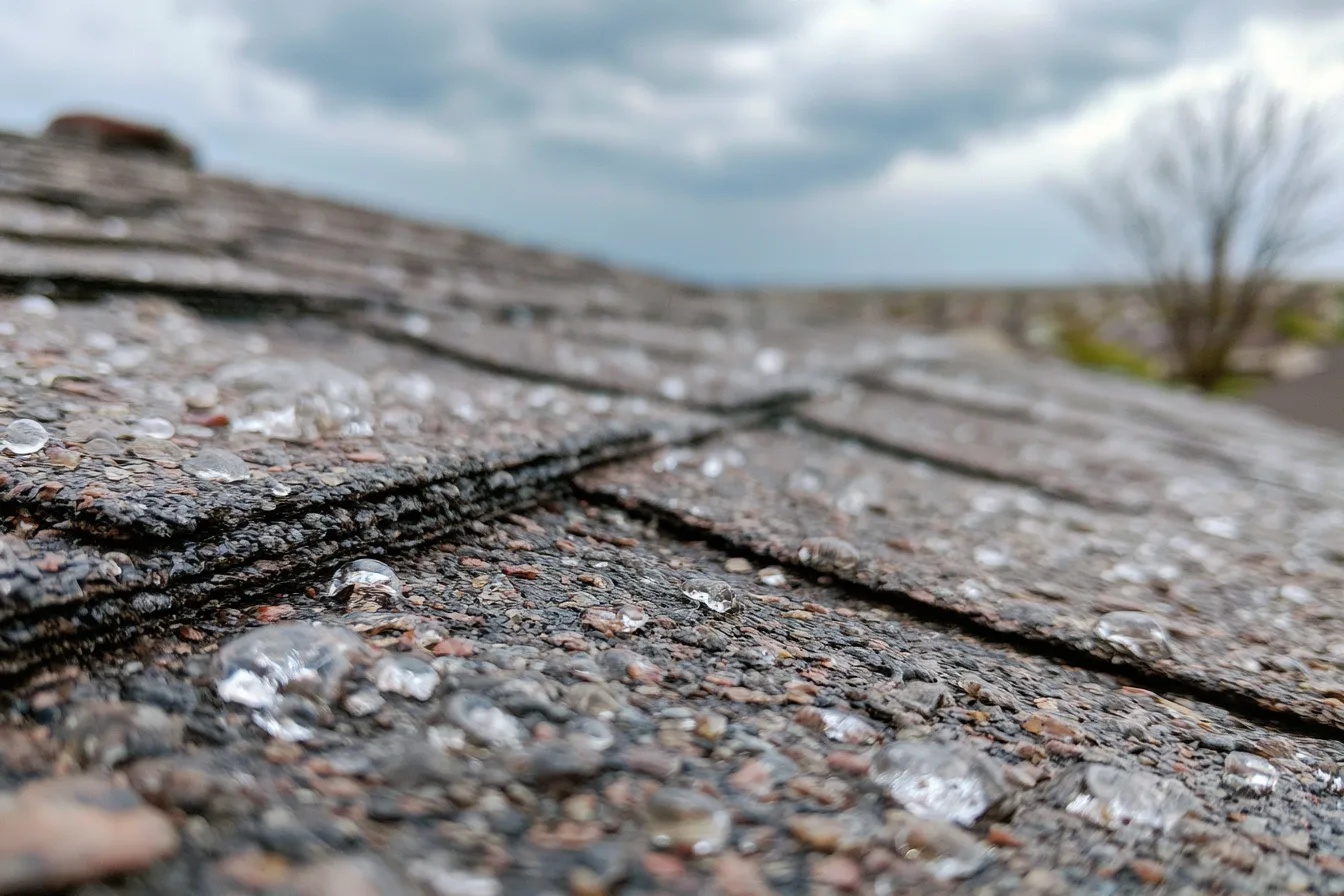
Hail Season in Arlington, TX, and How Long You Have to File
Report possible hail damage promptly under your policy’s requirements. There is no single deadline that safely answers every Arlington roof claim: notice, supporting documents, repairs and a legal dispute can involve different dates. If you’ve just noticed a problem after a storm, start with what you know and ask the insurer what it needs next.
How long do you have to report hail damage?
Your policy is the starting point. TDI’s home insurance guide notes that some policies have a one-year filing deadline, with conditions concerning a delayed report. That is not permission to assume you always have a full year. Notify the insurer as soon as possible and ask it to identify the requirements for your policy.
The date of damage and the date you discovered it may differ. If you don’t know exactly when damage occurred, say so. Describe the storm you observed, when the leak or other change became apparent, and any relevant inspection history. Guessing at a date to fit a deadline can create a new problem.
Keep the claim number and a copy of the insurer’s instructions. Ask which channel it uses for notices and documents, rather than assuming that an email to any address is enough.
The reporting deadline is not the only date in the claim
The insurer may request information about the loss, estimates or proof of repairs. If the policy provides additional replacement-cost payments, there may be conditions and deadlines for completing the work and providing evidence. Confirm those before building a project schedule around the expected funds.
Insurer response requirements are a separate subject. A complaint process, a policy’s proof-of-loss requirement and the time allowed for a lawsuit are not interchangeable clocks. If the claim is disputed or a legal deadline may be near, a Texas attorney can advise on the actual documents and facts. A roofer’s timetable can’t settle that question.
This is why “you have a year” is too blunt to be useful advice. What you need is the applicable requirement, the date it runs from and a record of what you submitted.
A roof can need inspection before there is an indoor leak
Hail and wind do not affect every roof in the same way. An impact can damage an asphalt shingle, while wind can lift, crease or remove material. The age, condition, assembly and exposure all matter. Some roofs come through a storm without damage requiring repair.
A view from the yard can’t reveal every detail, but a dented gutter or scattered granules can’t establish the roof’s condition either. A roofer examines the covering and surrounding components and considers other causes, including ordinary wear.
Do not assume a fixed delay between a storm and a leak. Water can appear soon, much later or not at all. That uncertainty is a reason for an assessment, not a basis for promising that a particular old storm caused a new stain. Our leak repair page explains how the water path is investigated.
Use nearby weather records as context
Our storm archive retains dated NOAA hail and thunderstorm-wind reports around Arlington. It is useful for checking which events were reported near the city and following the original source.
A report is tied to a location and time. It doesn’t show every property a storm reached, prove damage at your address or establish which event caused a mark on a roof. Several reports on the same day can describe the same storm. A year with fewer records is not automatically a year with no damaging weather.
If you remember a storm passing over the property, keep that observation alongside any safe photographs and the inspection findings. Each piece answers a different part of the question.
Preserve the information without climbing the roof
From a safe place, record what has changed: interior stains, shingles on the ground or damage to accessible components. Write down when you first noticed it and retain earlier roof invoices or inspection information if you have them. You don’t need to perform a roof inspection yourself.
Take reasonable steps to prevent further damage, keep receipts and contact the insurer about inspection before permanent repairs conceal the affected area. Do not leave an unsafe situation untreated while waiting for paperwork. A roofer can discuss the roof work needed to protect the building and the permanent repair options.
Keep people clear of sagging ceilings and electrical hazards. Report urgent conditions when you request help so the roofer understands what is happening now.
Keep the roofing work and claim representation clear
A roofer can explain the physical damage and estimate the work. In Texas, a contractor doing the repairs can’t also act as your public adjuster on that claim. It is also illegal for a contractor to offer to waive, rebate or absorb your property-policy deductible. TDI explains the roofing and insurance rules.
When selecting the roofer, check the business, current insurance and the proposed contract. City contractor registration and voluntary industry credentials are distinct from a state roofing license. Ask what each claimed credential actually represents. An unfamiliar vehicle plate or a low price alone does not tell you whether a contractor will do sound work.
A clear scope helps you compare proposals and discuss construction details with the insurer. It doesn’t guarantee claim approval. Our insurance guide covers the deductible, settlement terms and repair questions in more detail.
Start with the roof concern you have today
Tell us what you observed, whether water is entering and whether a claim is already open. A free roof inspection can help you understand the work needed. Contact your insurer promptly about the policy requirements instead of waiting for a website or a contractor to supply a universal deadline.
Hail claims and timing
What if I noticed the damage months after a storm?
Contact your insurer promptly and explain the timeline honestly. A delayed discovery does not let this website decide whether the policy permits the claim. Ask for the applicable provision and seek qualified help if the decision or deadline is disputed.
Should I choose the nearest storm date in the archive?
No. A nearby report does not establish the cause or date of damage at the property. Give the insurer the observations and information you actually have.
Does an inspection guarantee the claim will be approved?
No. The inspection addresses the roof’s condition and repair needs. The insurer applies the policy to the claim.
Can I arrange a roof inspection if I have not filed a claim?
Yes. An inspection can help with the repair question. It should not delay required notice to your insurer about a possible loss.