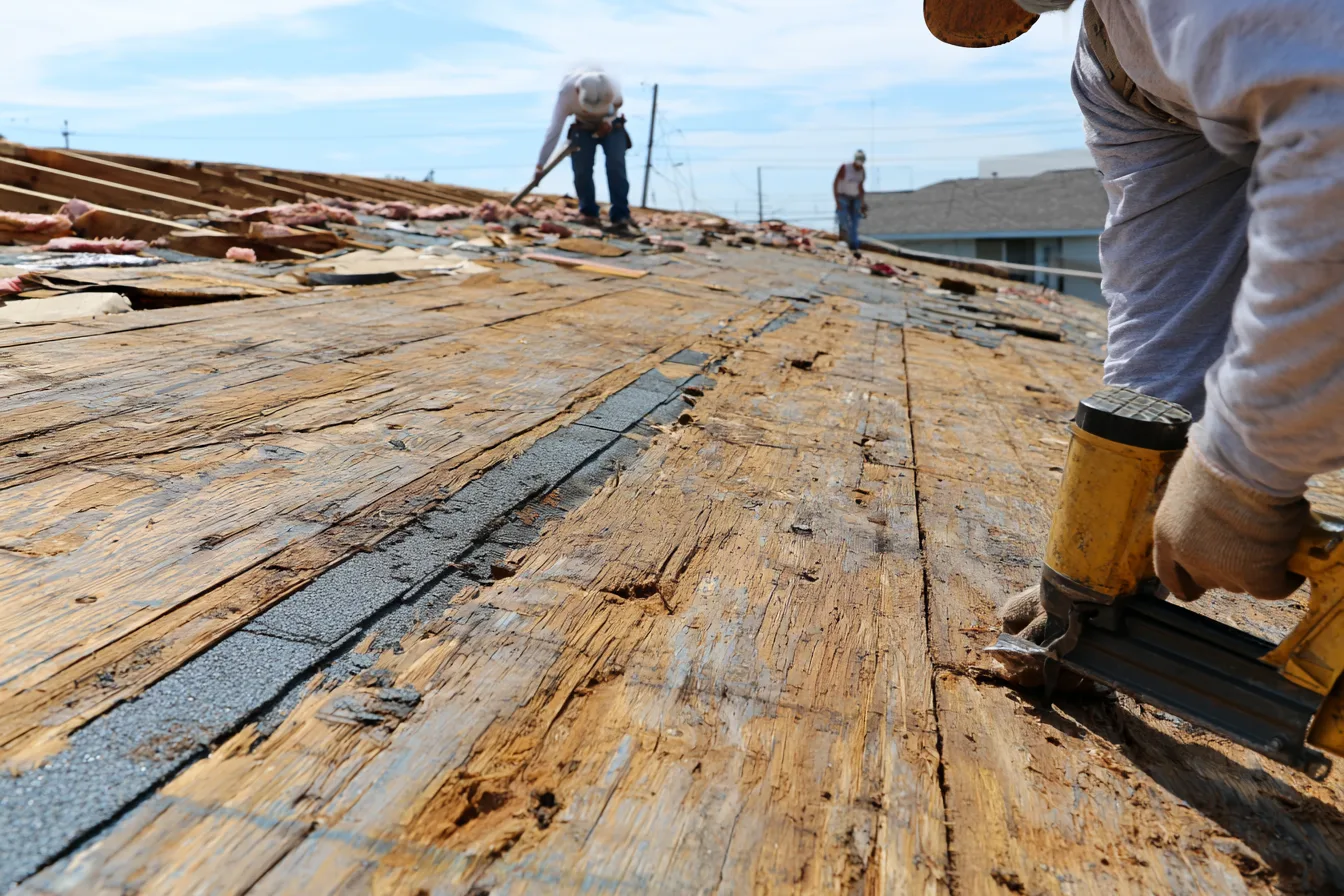
The Cheapest Time of Year to Replace an Arlington Roof
If your roof needs replacing but is still keeping the house dry, it is reasonable to ask whether a different month would cost less. There is no dependable Arlington discount calendar. Scheduling flexibility may help, but the roof’s condition and the scope of work give you a better basis for deciding when to move. Here is how to weigh the timing without gambling on the roof.
Ask about availability, then compare the actual price
A contractor may have more room in the schedule at one point in the year than another. That can be useful if you have flexibility, but it doesn’t establish that winter is always cheaper or that spring carries a fixed premium. A storm, a booked project or material availability can change the answer.
Ask when the roofer could perform the same specified job and whether flexibility changes the proposal. If one option is cheaper, find out why. A later installation date, different product and smaller scope are different offers, even when the top-line price looks attractive.
This is especially useful when you’re planning ahead. It gives you a choice between real proposals and dates, rather than an assumed seasonal saving.
Winter installation has practical details of its own
Asphalt shingles rely on suitable conditions for their sealant to activate. Cold weather can delay that process, so the installer must follow the product’s application instructions, including hand-sealing where required. GAF’s seasonal installation guidance explains why temperature and exposure matter.
That does not make a winter roof inherently inferior. It makes the installation method and the day’s conditions part of the plan. Rain, unsafe wind and unsuitable temperatures can also affect the working date. Discuss weather arrangements as part of the schedule.
If you have flexibility, give it to a roofer who can use it to plan the work properly. A low price is little comfort if the installation conditions or the agreed roof details are overlooked.
What moves your number more than the month does
Roof size sets the floor and nothing more. Roofers price by the square, which is a hundred square feet of roof surface, and your roof is bigger than your house’s footprint because of the slope. Two roofs with the same square count can still price a long way apart, and here’s why.
Pitch and access. A steep slope means a crew moves slower and may need different access and fall-protection arrangements, and both of those are labor. A second story, a tight lot, a fence line the truck can’t get past, a steep drive: all labor, none of it material.
Layers and decking. Whether one layer or two are coming off changes the tear off and the disposal. What the deck looks like once it’s bare changes more than that, and nobody can price soft or delaminated sheathing from your driveway because nobody can see it yet. A good estimate tells you what happens if more decking turns up, and at what rate, instead of pretending you won’t have to ask.
Complexity. Every valley, hip, dormer, skylight, chimney and pipe penetration is more cuts, more flashing, more waterproofing, more waste. A simple gable and a cut up roof the same size are two different jobs with two different numbers.
Ventilation and the parts nobody photographs. Ridge vent, pipe boots, drip edge, valley metal and the flashing where a roof meets a wall are what decide whether the new roof lasts anything like the years it’s built for. They can also disappear into a vague materials line, which is worth checking when one number comes in well under the others.
Material, last, because it’s where most people start. What goes back on shifts the figure a long way, and the comparison between your options is on our roofing materials page, with the metro planning ranges broken out on our new roof cost page.
When waiting stops being a useful way to save
Water entering the house, exposed areas after shingle loss and a damaged roof edge deserve prompt attention. Moisture can affect more than the covering, so delaying an active problem may add interior and deck repairs to the eventual bill. A free inspection can help distinguish a localized repair from a roof that needs replacement.
A dry ceiling is useful information, but it doesn’t establish that every part of the roof is sound. Have the concern assessed before deciding that several more months will be harmless. If a repair would let you plan a later replacement, ask what that repair addresses and what risk remains.
Possible insured storm damage adds a separate timing question. Follow your policy’s notice requirements promptly. Waiting for a preferred installation month should not become a reason to delay reporting a possible loss; the claim guide explains the difference.
Compare the same job before comparing the month
Start with the scope: the area being replaced, existing layers to be removed, the covering and underlayment, flashing details, disposal and the treatment of concealed repairs. A lower total can come from a different scope, a different specification or a different contractor’s pricing. Find out which applies.
Ask how additional work will be discussed and approved, and how long the proposed price remains valid. An estimate obtained far ahead of the project is useful planning information, but materials, scope and availability may need reconfirming before work begins.
The payment schedule belongs in that conversation too. Understand the deposit, subsequent payments and completion requirements in the contract. The City’s contractor guidance offers practical checks before and after selecting a contractor.
Finally, compare the warranty terms offered with the actual systems. The longest printed term does not automatically mean the broadest coverage.
Choose a date from the condition of the roof
If the roof is serviceable, you can use the inspection and estimates to plan a project around access, budget and the roofer’s availability. Ask about options without assuming that any particular month guarantees a saving.
If the roof needs attention now, discuss the appropriate repair or replacement and a workable weather window. A prompt repair can be the sensible first step, but it should be chosen because it suits the failure, not because it postpones every other decision.
Our cost calculator can help you compare broad material ranges while you plan. The proposal for your own house still depends on the measured roof and agreed work.
Start planning with a free roof inspection
Tell Arlington Roofsmith what you’ve noticed and when you hope to do the work. Our roofers can help you understand the condition of the roof and the options that fit it. You can then talk about a schedule with something firmer than a hoped-for discount.
Timing a roof replacement in Arlington
Which month is cheapest for a roof replacement?
No month reliably guarantees the lowest price. Ask about scheduling flexibility and compare current proposals for the same work. The condition of the roof determines whether waiting is a reasonable option.
Can shingles be installed in cold weather?
They can be when the product instructions and working conditions allow it. Temperature affects handling and sealing, and hand-sealing may be required. The installer should explain the method for the specified shingle.
Should I get estimates before I am ready to start?
Yes, if you’re planning a likely project. Ask what the estimate includes and how long it is valid. Reconfirm scope and price when you’re ready to schedule.
Does the lowest bid mean the worst roof?
No. Read the scope and specifications, check the contracting business and understand the terms. Price is useful evidence to investigate, not a diagnosis of the work by itself.